

Our mission
Peopling Politics is an interdisciplinary network that connects sociologists, political scientists, and practitioners who study U.S. politics with a focus on race, class, inequality, and the social and cultural forces that shape political life. We convene scholars and practitioners who put people first — taking a relational, dynamic, and people-centered approach to the study of U.S. politics. By peopling politics, we strengthen the validity and rigor of our research while expanding pathways for public understanding, accessibility, and policy engagement.
Throughout the year, we curate programming that fosters collaboration, shares research, and highlights leading scholars and practitioners working at the forefront of U.S. politics.
U.S. democracy is in crisis. Economic and political power is concentrated in the hands of the few. All three branches of the federal government are controlled by leaders who rose to power by embracing racism, stoking fear of immigrants, and scapegoating queer and trans people. We have an increasingly authoritarian government that is subverting the rule of law, rolling back civil rights, and dismantling our civic and academic institutions.
For those of us who want to build a fully democratic society, the stakes could not be higher. Addressing this crisis requires thoughtful scholars across the social sciences partnering with people who work in politics to identify and implement strategies to defend and improve our democracy.
Scholarship on U.S. politics too often ignores the social, relational, and organizational aspects of political phenomena, and is too often silent on the role of racial and economic inequalities in political processes. Moreover, good research is siloed, not only across different subfields and specialties within disciplines, but across disciplines and sectors.
We believe that democracy is fundamentally shaped by race and class inequalities that structure how people, organizations, communities, and institutions operate. Only with attention to these social dynamics can we understand contemporary political dynamics, diagnose political crises, and formulate actionable solutions for advancing a more equitable and pluralistic democracy.
Peopling Politics was created to address the multi-layered crises confronting American democracy through research, education, and collaboration. We are a network of scholars and practitioners who study U.S. politics as it emerges from relationships between people.
We believe that in order to understand political institutions or electoral outcomes, we must begin with the contexts and cultures of the people who make political phenomena real — from non-voters and voters to grassroots organizers to elected officials and their staff. This requires empirical observations of actual people and their actions, rather than relying on abstracted models of how individuals, political groups, or institutions operate. Demographic blocs — whether defined by race, education, gender, age, or any other characteristic — are not natural entities, but composed of people with diverse and shifting identities, interests, and beliefs. Political campaigns and parties, interest and advocacy groups, and government agencies are workplaces, shaped by leaders and staff who operate within hierarchies, networks, and epistemic communities; people make organizations and institutions operate. To understand U.S. politics across these levels, we need to bring the people back in.
Peopling Politics means seeing politics through people first, taking a relational and dynamic approach to U.S. politics, and centering racial and class inequalities. It also means anchoring our work in people’s real experiences, observations, and actions. This approach strengthens the theoretical, methodological, and empirical foundations of the study of U.S. politics, thereby improving the validity and reliability of our research.
Only by accurately understanding the crises we are in and how we got here can we extricate ourselves from them. We aim to equip scholars, political professionals, activists and organizers, and the broader public with the knowledge and tools to fight against authoritarianism, and to work for a more equitable, democratic distribution of power in the United States.
The Peopling Politics Network convenes scholars and practitioners who share this vision.
Meet the team
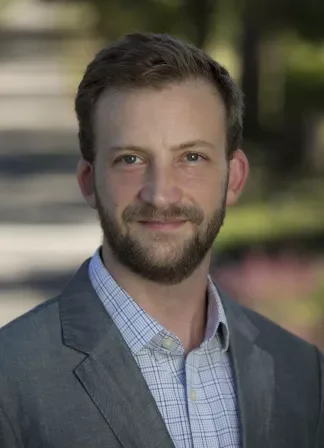
Daniel Laurison
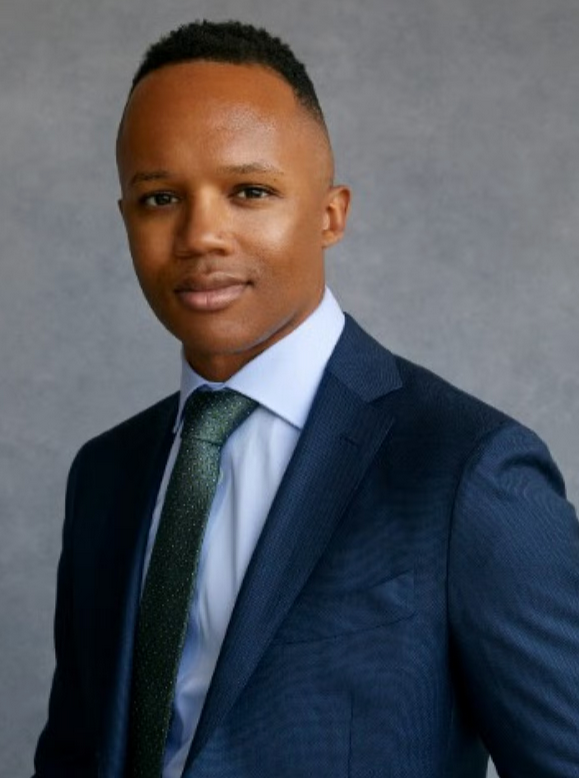
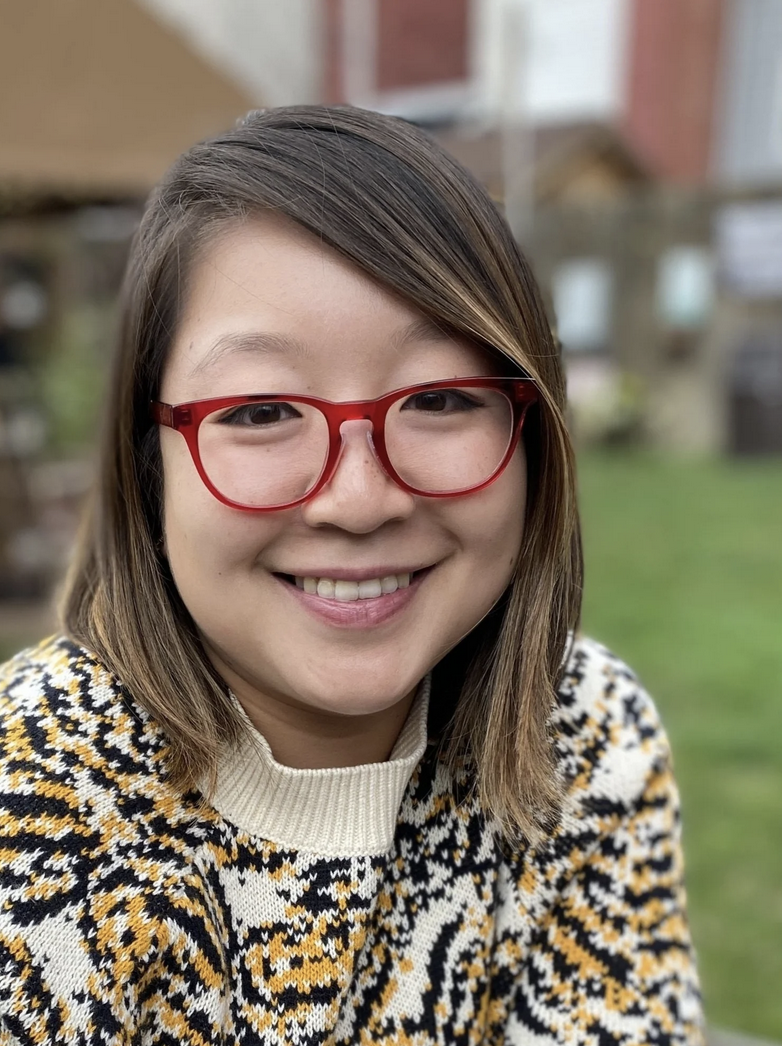
Wendy Li
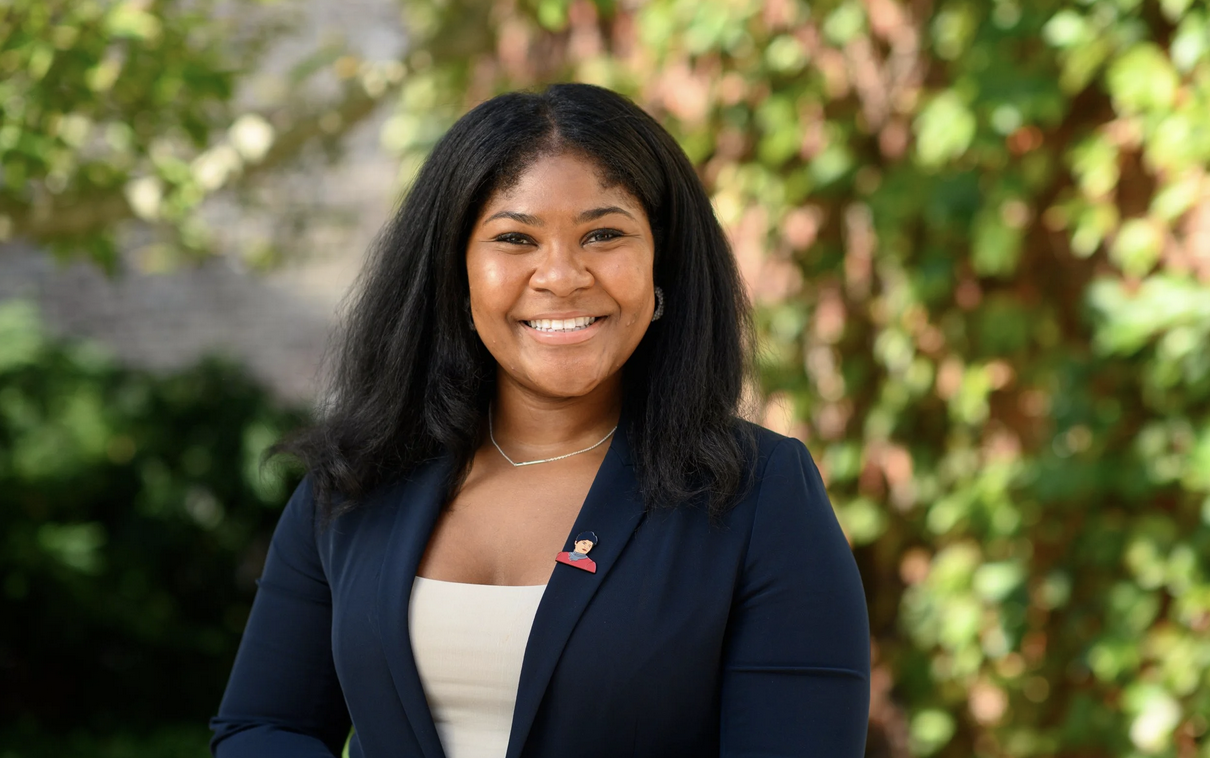
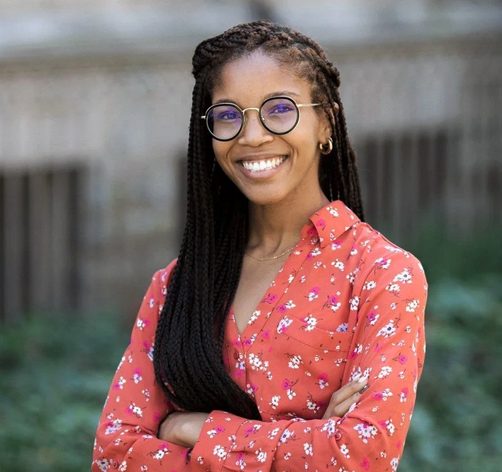
Chloe Ricks
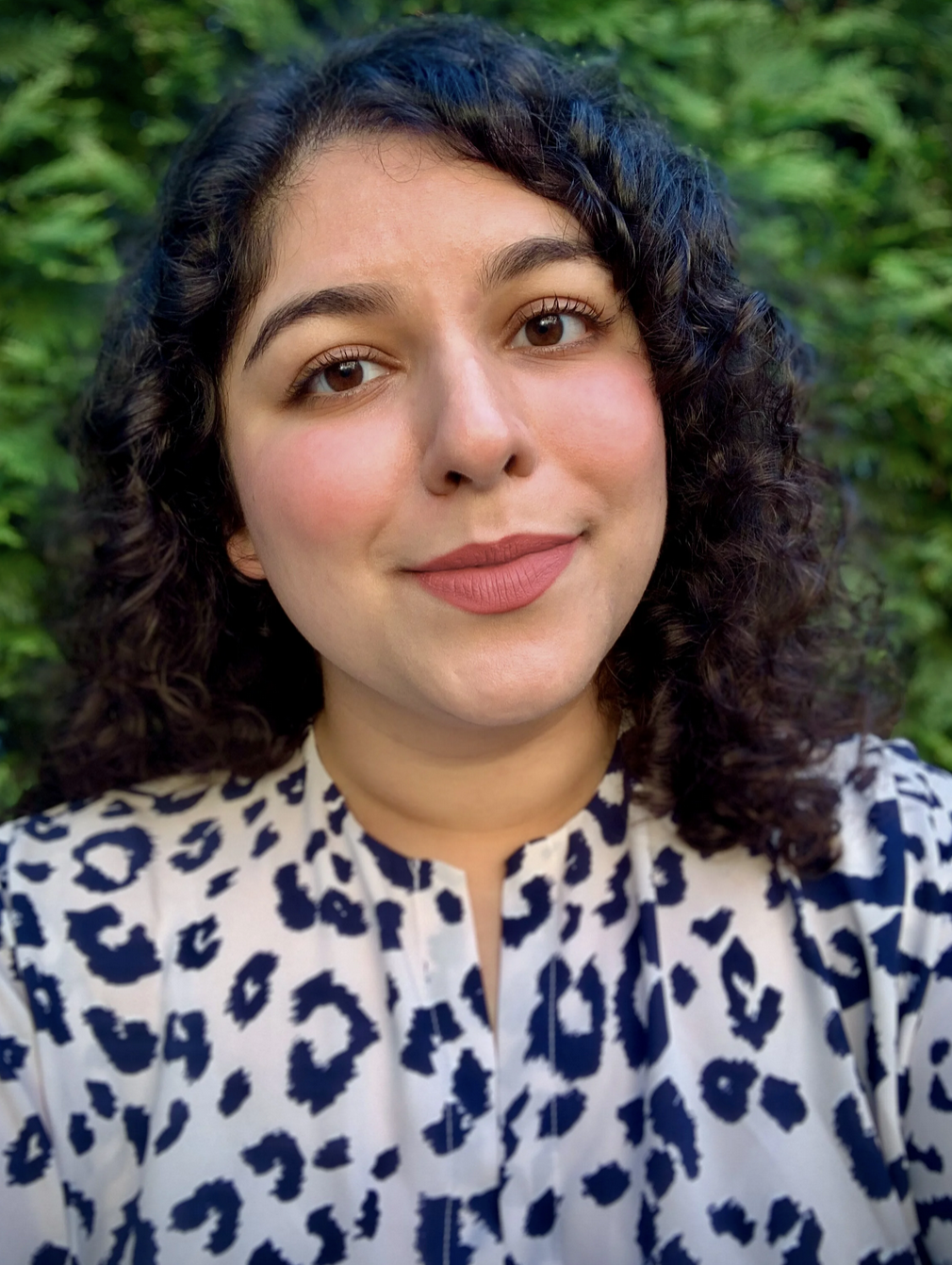
Kanika Khanna
Christine Slaughter
James R. Jones